

How to maintain a 3 way l port ball valve?
Leave a message

As a trusted supplier of 3 way L port ball valves, I understand the significance of proper maintenance to ensure the longevity and optimal performance of these essential components. In this blog post, I will share valuable insights and practical tips on how to maintain a 3 way L port ball valve effectively.
Understanding the 3 Way L Port Ball Valve
Before delving into maintenance procedures, it's crucial to have a basic understanding of what a 3 way L port ball valve is and how it functions. A 3 way L port ball valve is a type of valve that uses a spherical ball with a hole bored through it to control the flow of fluid or gas. The "L" port design allows for flow to be directed in two different paths, making it suitable for applications where flow diversion or mixing is required.
These valves are commonly used in various industries, including chemical processing, water treatment, and HVAC systems. They offer several advantages, such as reliable shut-off, low pressure drop, and easy operation. However, like any mechanical device, they require regular maintenance to prevent wear and tear and ensure consistent performance.
Regular Inspection
Regular inspection is the first step in maintaining a 3 way L port ball valve. By visually examining the valve, you can identify any signs of damage, leakage, or wear that may require attention. Here are some key areas to inspect:
- Body and Bonnet: Check for cracks, dents, or other signs of physical damage on the valve body and bonnet. Any damage to these components can compromise the integrity of the valve and lead to leakage.
- Seals and Gaskets: Inspect the seals and gaskets for signs of wear, aging, or damage. These components are critical for preventing leakage and ensuring a tight seal between the valve body and the ball. If the seals or gaskets are damaged, they should be replaced immediately.
- Ball and Stem: Examine the ball and stem for signs of corrosion, pitting, or scoring. These issues can affect the smooth operation of the valve and lead to increased friction and wear. If the ball or stem is damaged, it may need to be repaired or replaced.
- Actuator (if applicable): If the valve is equipped with an actuator, such as an electric or pneumatic actuator, inspect it for proper operation. Check for any signs of damage, leaks, or malfunction. Ensure that the actuator is properly calibrated and that the control signals are functioning correctly.
Cleaning and Lubrication
Cleaning and lubrication are essential for maintaining the smooth operation of a 3 way L port ball valve. Over time, dirt, debris, and other contaminants can accumulate inside the valve, causing friction and wear. Regular cleaning helps to remove these contaminants and prevent them from causing damage to the valve components.
- Cleaning: To clean the valve, first, isolate it from the system and depressurize it. Then, remove the valve from the pipeline and disassemble it if necessary. Use a suitable cleaning solution and a soft brush to clean the valve components, including the ball, stem, body, and bonnet. Rinse the components thoroughly with clean water and dry them completely before reassembling the valve.
- Lubrication: After cleaning, lubricate the valve components to reduce friction and wear. Use a high-quality lubricant that is compatible with the valve materials and the fluid or gas being handled. Apply the lubricant to the ball, stem, and other moving parts according to the manufacturer's recommendations. Be careful not to over-lubricate the valve, as this can attract dirt and debris and cause additional problems.
Pressure Testing
Pressure testing is an important part of maintaining a 3 way L port ball valve. It helps to ensure that the valve is functioning properly and that there are no leaks in the system. Pressure testing should be performed regularly, especially after any maintenance or repair work has been done on the valve.
- Testing Procedure: To perform a pressure test, first, isolate the valve from the system and depressurize it. Then, connect a pressure gauge to the valve and apply a test pressure that is within the valve's rated pressure. Hold the pressure for a specified period of time, typically 10 to 15 minutes, and observe the pressure gauge for any signs of pressure drop. If there is a significant pressure drop, it indicates a leak in the valve or the system.
- Leak Detection: If a leak is detected during the pressure test, it is important to identify the source of the leak and take appropriate measures to repair it. Common sources of leaks include damaged seals, gaskets, or O-rings, loose connections, or cracks in the valve body. Once the source of the leak has been identified, the damaged components should be replaced, and the valve should be retested to ensure that the leak has been repaired.
Operational Checks
In addition to regular inspection, cleaning, lubrication, and pressure testing, it is also important to perform operational checks on the 3 way L port ball valve. These checks help to ensure that the valve is functioning properly and that it is able to control the flow of fluid or gas as intended.
- Opening and Closing: Check the valve's ability to open and close smoothly. Operate the valve several times to ensure that it moves freely and that there are no signs of binding or resistance. If the valve is difficult to operate, it may indicate a problem with the ball, stem, or actuator.
- Flow Direction: Verify that the valve is able to direct the flow of fluid or gas in the desired direction. Use a flow meter or other appropriate device to measure the flow rate and direction. If the valve is not directing the flow as intended, it may need to be adjusted or repaired.
- Control Signals (if applicable): If the valve is equipped with an actuator, check the control signals to ensure that they are functioning correctly. Use a control panel or other appropriate device to send control signals to the actuator and observe the valve's response. If the valve does not respond to the control signals, it may indicate a problem with the actuator or the control system.
Troubleshooting Common Problems
Despite regular maintenance, 3 way L port ball valves can sometimes experience problems. Here are some common problems and their possible causes and solutions:
- Leakage: Leakage is one of the most common problems with 3 way L port ball valves. It can be caused by damaged seals, gaskets, or O-rings, loose connections, or cracks in the valve body. To fix a leak, first, identify the source of the leak and then replace the damaged components or tighten the connections.
- Sticking or Binding: Sticking or binding can occur when the ball or stem becomes stuck or when there is excessive friction between the valve components. This can be caused by dirt, debris, or corrosion inside the valve. To fix a sticking or binding valve, clean the valve components and lubricate them as needed. If the problem persists, the valve may need to be disassembled and inspected for damage.
- Actuator Malfunction: If the valve is equipped with an actuator, actuator malfunction can cause the valve to fail to operate properly. This can be caused by a variety of factors, including electrical problems, mechanical failures, or improper calibration. To troubleshoot an actuator malfunction, first, check the power supply and control signals to ensure that they are functioning correctly. Then, inspect the actuator for any signs of damage or wear. If necessary, replace the actuator or have it repaired by a qualified technician.
Conclusion
Maintaining a 3 way L port ball valve is essential for ensuring its longevity and optimal performance. By following the tips and procedures outlined in this blog post, you can keep your valves in good working condition and prevent costly downtime and repairs. Remember to perform regular inspections, cleaning, lubrication, pressure testing, and operational checks. If you encounter any problems with your valves, don't hesitate to contact a qualified technician for assistance.
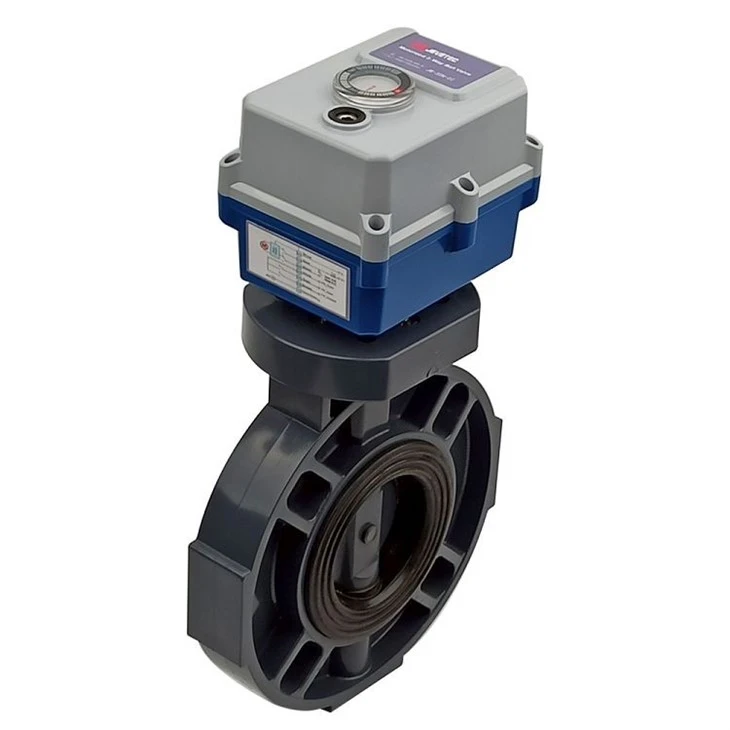

As a supplier of high-quality 3 way L port ball valves, we are committed to providing our customers with the best products and services. If you are in the market for a 3 way L port ball valve or need assistance with valve maintenance, please feel free to contact us for more information. We look forward to working with you to meet your valve needs.
References
- "Valve Maintenance Handbook," by Valve Magazine
- "Industrial Valves: Selection, Installation, and Maintenance," by John R. Cameron
- Manufacturer's technical manuals and specifications for 3 way L port ball valves
In addition to our 3 way L port ball valves, we also offer a wide range of other valve products, including the RS485 Electric True Union Ball Valve, Motorised Upvc Butterly Valve, and Electrical Brass 3-way Ball Valve. If you are interested in learning more about these products or have any questions about valve maintenance, please don't hesitate to reach out. We are here to help you make the right choices for your applications and ensure the smooth operation of your systems. Contact us today to start the procurement discussion and find the perfect valve solutions for your needs.


